

By: Lovonda Freeman
Product and Health Content Coordinator | nutraMetrix
Maintaining cognitive health is essential for overall well-being. Whether you’re looking to promote your focus, memory, or your brain’s performance, it’s important to understand the factors that influence mental wellness.
Here are 10 important facts to keep in mind:

1. Your Brain is Like a Muscle
Just like physical muscles, your brain thrives when you “exercise” it. Engaging in activities like puzzles, reading, or learning new skills can help stimulate neural pathways and improve cognitive function over time.
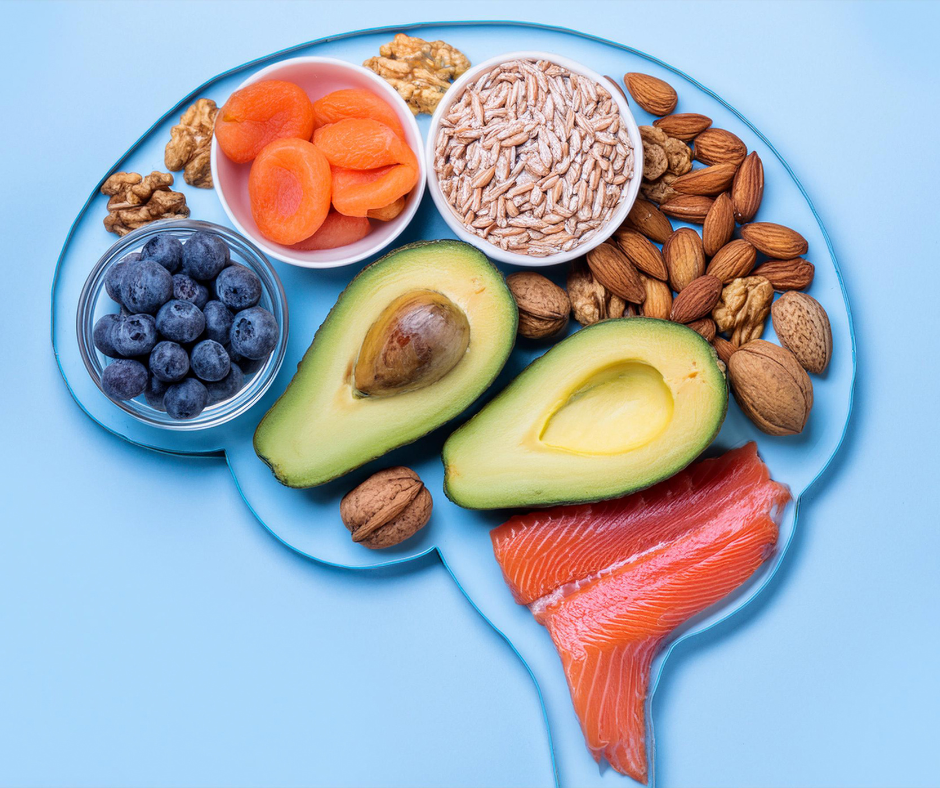
2. A Healthy Diet Nourishes Your Brain
What you eat directly impacts your brain’s health. A diet rich in antioxidants, omega-3 fatty acids, and essential vitamins can help support cognitive function. Think leafy greens, berries, fish, nuts, and seeds – your brain will thank you!

3. Hydration Plays a Key Role
Dehydration can lead to brain fog and reduced concentration. Make sure to drink plenty of water throughout the day to keep your brain functioning optimally.

4. Physical Activity Supports Brain Power
Exercise doesn’t just benefit your body – it also helps your brain. Regular physical activity has been shown to improve memory, attention, and even problem-solving skills by increasing blood flow to the brain.

5. Sleep is Essential for Cognitive Function
A good night’s sleep allows your brain to process and consolidate information. Lack of sleep can lead to memory issues, trouble focusing, and mood changes, so aim for 7-9 hours of quality sleep each night.

6. Stress Management Supports Cognitive Health
Chronic stress can negatively impact brain health, affecting memory, focus, and decision-making abilities. Practicing stress-reducing techniques like meditation, deep breathing, or yoga can help protect mental function.

7. Social Engagement is Key
Staying socially active is not just fun – it’s great for your brain! Engaging in conversations, making new connections, and being part of social activities can keep your mind sharp.

8. Lifelong Learning Keeps the Mind Sharp
The brain thrives on learning. Whether you’re taking up a new hobby, learning a language, or picking up a musical instrument, these activities stimulate the brain and help maintain cognitive flexibility.

9. Supplements Can Provide Support
Certain nutrients and botanicals, like Ginkgo biloba, Bacopa, and other cognitive-supporting ingredients, may provide additional support to brain function. Always look for quality products from trusted sources when considering supplements for brain health.*

10. Protect Your Cognitive Health as You Age
Aging is a natural process, but it doesn’t mean cognitive decline is inevitable. Maintaining a healthy lifestyle that includes proper nutrition, exercise, mental stimulation, and social activity can help support cognitive function well into your later years.
By taking proactive steps, you can support your cognitive health and mental clarity. Make these practices part of your daily routine, and you’ll be setting your brain up for long-term wellness.
*These statements have not been evaluated by the Food and Drug Administration. These products are not intended to diagnose, treat, cure or prevent any disease.